










HGV MOT FAQs
What parts do you use for MOTs?
We hold approved parts on site for all major truck and trailer makes, so most defects found at test can be rectified the same day rather than waiting on a supplier.
How long does an HGV MOT take?
The duration of an HGV MOT can vary depending on several factors, including the vehicle’s condition, its complexity, and our workload at the testing station.
How often does an HGV need an MOT?
HGVs must be MOTed every 12 months.
What happens if an HGV fails the MOT?
If you fail an MOT, you will have a retest period to address the issues and have the vehicle re-inspected. You will not be allowed to drive it on public roads until the issues have been addressed and the vehicle passes a retest.
Can you carry out repairs if my HGV fails the MOT?
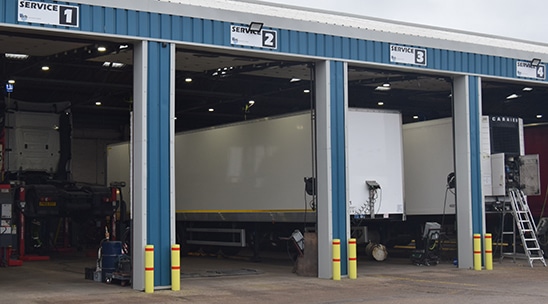
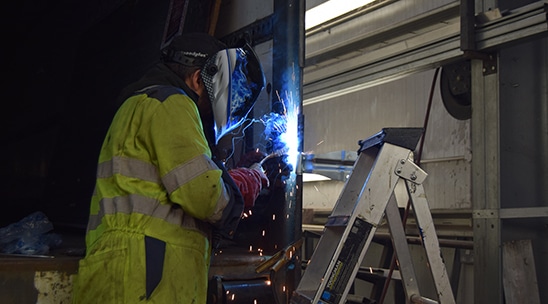
Yes. We have a fully-equipped service centre and can undertake any repairs necessary so your HGV can be retested and pass.
Do you offer same-day MOT appointments?
If you require an MOT at short notice, please get in touch and we will be happy to help if we have availability.
What is checked during the HGV MOT test?
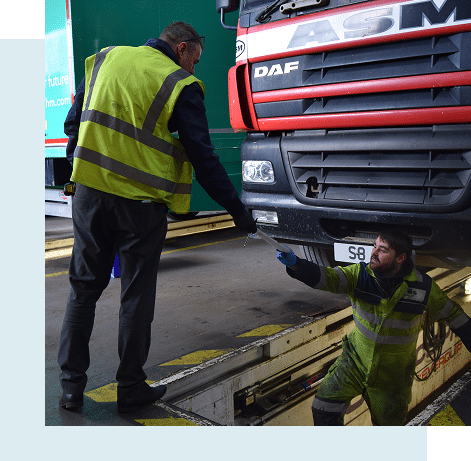
Brakes: The braking system is thoroughly examined, including pads, discs, drums, and hydraulics.
Steering: The steering wheel, column, box, and associated components are inspected.
Suspension: Shock absorbers, springs, ball joints, and other suspension elements are checked.
Lights: All lights, including headlights, taillights, indicators, and brake lights, are tested.
Tyres: Tyre tread depth, condition, and pressure are assessed.
Exhaust: The exhaust system is examined for leaks, damage, and excessive emissions.
Bodywork: The body is inspected for structural integrity, corrosion, and damage.
Other components: Seatbelts, windscreen wipers, mirrors, and various other parts are checked.
Is there a waiting area at the HGV MOT centre?
If you need to wait during your MOT, we have seating available. Please note, HGV MOTs can take time.